

Histamine Intolerance and Gut Health: The Crucial Role of the Gut
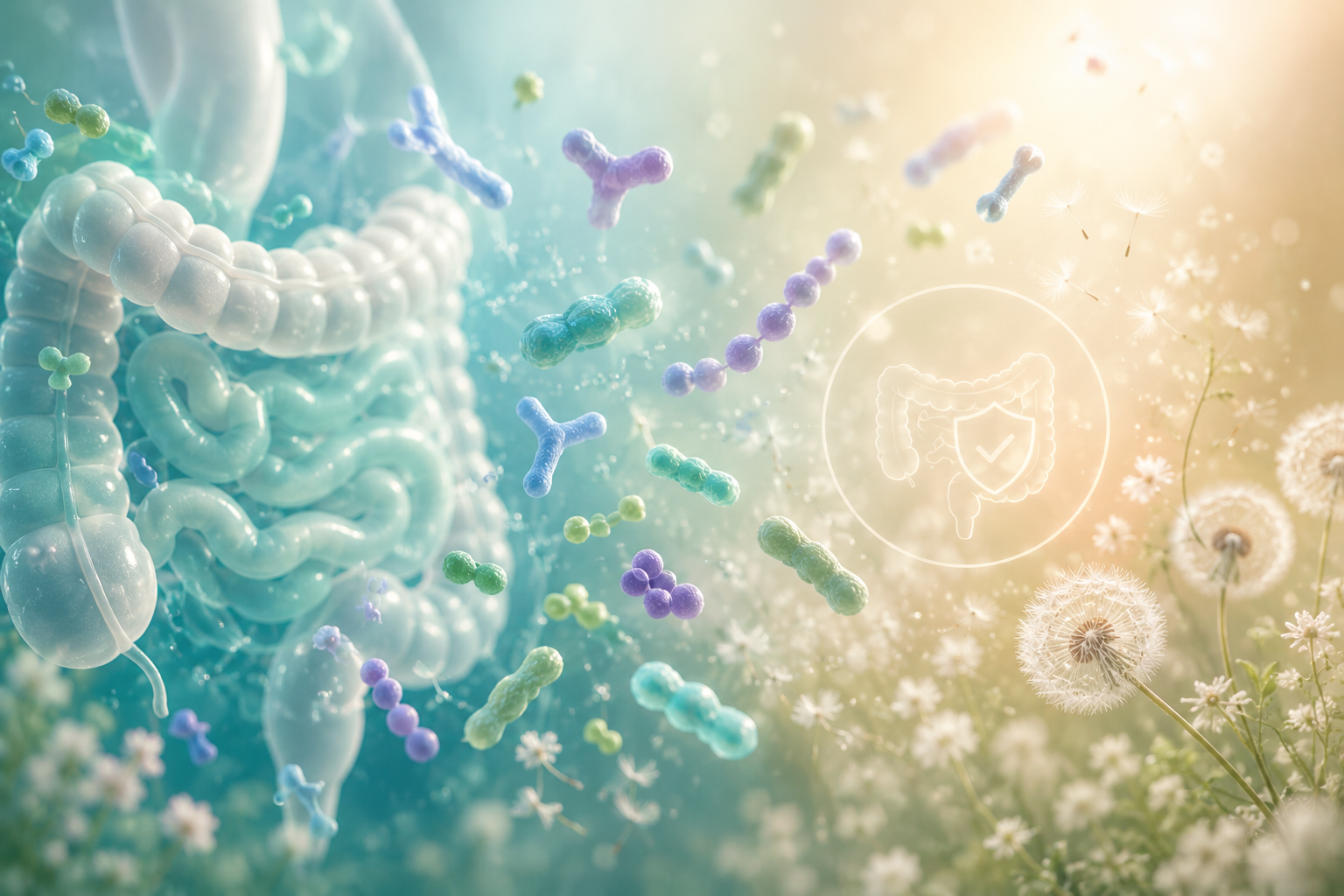
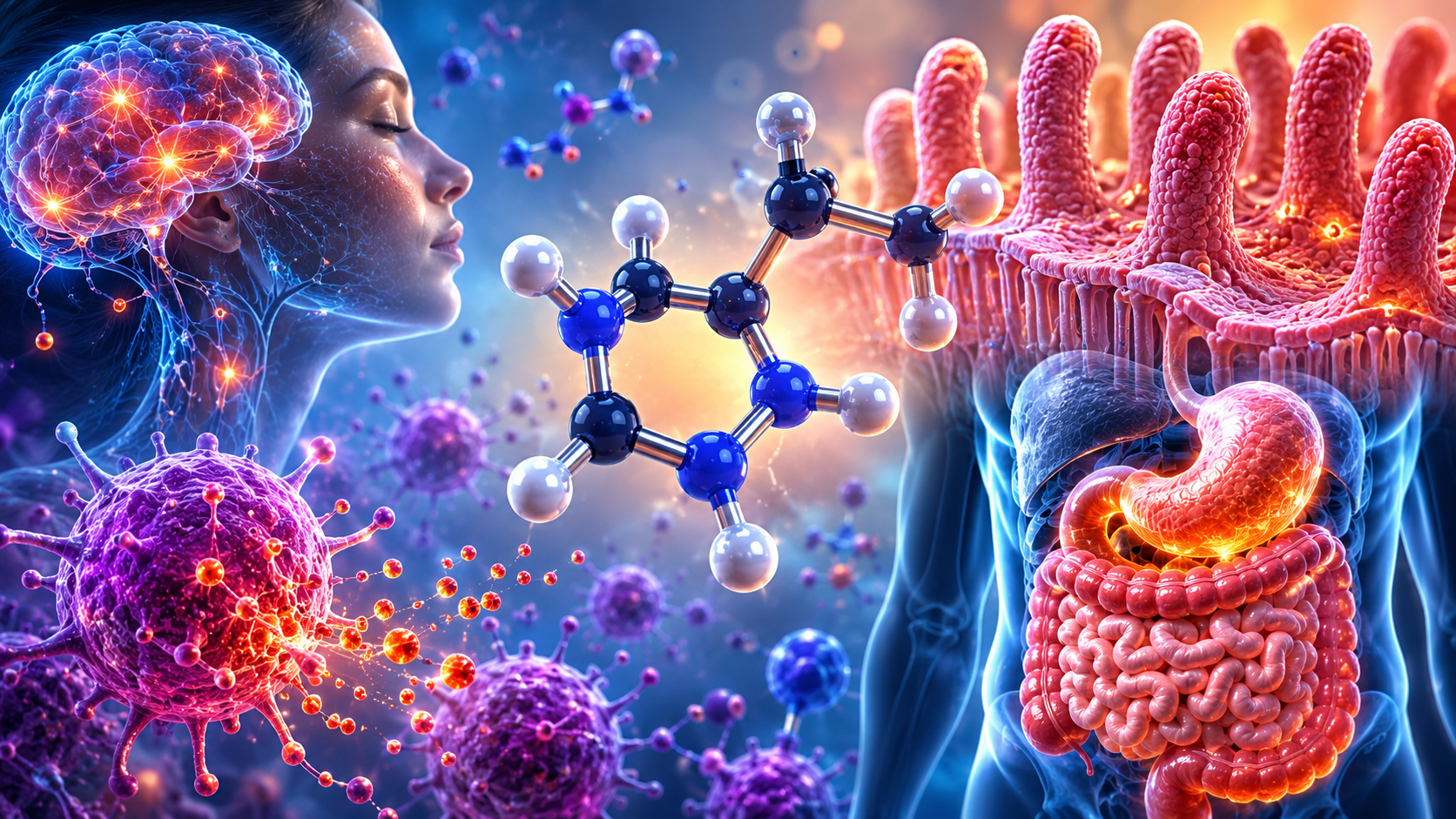
When histamine intolerance is present, the focus is often exclusively on histamine-containing foods or a potential diamine oxidase (DAO) deficiency. One thing is frequently neglected in the process: the gut flora. Bacterial cultures in the gut also have a strong influence on histamine metabolism. The gut is not just a part of the digestive tract; it also plays a central role in the immune system.
Histamine intolerance is often more than just a DAO deficiency
If histamine is not sufficiently broken down in the gut, it accumulates and can cause symptoms. Taking additional DAO can then help to metabolize histamine.
But why do symptoms sometimes occur even when there is sufficient DAO activity? This is where the gut microbiome plays a crucial role. Dysbiosis (an imbalance of the gut flora) is therefore a primary cause for:
- increasing the histamine load
- promoting inflammatory processes
- weakening the intestinal barrier
- and making mast cells more sensitive
Consequently, the body reacts more sensitively to histamine-rich foods and other external triggers.
Some gut bacteria produce histamine
The gut is home to billions of bacteria, including various bacterial species. Some of these bacterial species also produce histamine, which can accumulate. When dysbiosis is present, the number of histamine-producing bacteria often increases [1].
This can lead to:
- an increase in histamine in the gut, thereby raising the histamine load
- aggravated symptoms
A long-term disturbance of the gut flora in particular can have far-reaching consequences, not only regarding histamine but also other factors.
What exactly is dysbiosis?

Dysbiosis describes the disruption of a balance, in this case, that of the gut flora. Various factors can be responsible for this, including [2]:
- stress
- antibiotics
- lack of sleep
- unbalanced diet
- infections
- chronic inflammation
One possible consequence of this is hypersensitivity to histamine.
Why DAO alone is often not enough
DAO is a good starting point for insufficient DAO activity and acute histamine degradation, but it cannot combat the potential underlying causes. While symptoms can be mitigated, they cannot be addressed long-term.
A holistic approach is therefore often more meaningful for long-term improvement. In addition to histamine degradation, the following factors play an important role:
- gut health
- microbiome
- stress
- sleep
- immune system
- individual triggers
A stable gut flora is generally able to support histamine metabolism over the long term [3].
How can I support my gut flora?
The most sensible approach is to document all potential influencing factors from your diet to filter out causes, e.g., using a food diary. Additionally, it is generally recommended to:
- identify individual triggers
- reduce stress
- pay attention to sleep and regeneration
- support the gut in a targeted manner
- and view the body holistically
Because, as a rule, the body is not reacting "wrongly"; it is just trying to draw your attention to the imbalance.
Conclusion
Histamine intolerance is not caused solely by insufficient DAO activity. The gut flora and the gut microbiome also play a decisive role in the body's sensitivity to histamine.
A balanced gut flora not only leads to good digestion but also influences stable histamine metabolism and overall well-being.
References
[1] M. Schink et al., “Microbial patterns in patients with histamine intolerance”, J. Physiol. Pharmacol. Off. J. Pol. Physiol. Soc., vol. 69, no. 4, Aug. 2018, doi: 10.26402/jpp.2018.4.09.
[2] “SIGHI Histamine Elimination Diet: Managing Histamine Intolerance | The EDS Clinic”. Accessed: June 8, 2026. [Online]. Available at: https://www.eds.clinic/articles/sighi-histamine-elimination-diet-histamine-intolerance
[3] R. Bai, H. Zhao, X. Zhang, and S. Du, “Characterization of sonic hedgehog inhibition in gastric carcinoma cells”, Oncol. Lett., vol. 7, no. 5, pp. 1381–1384, May 2014, doi: 10.3892/ol.2014.1964.


%20deficiency.%20One%20thing%20is%20frequently%20neglected%20in%20the%20process...)