Mast cells and histamine intolerance: causes, symptoms, and why the gut is so important
Histamine intolerance is becoming increasingly widespread, yet many people do not know what is behind their symptoms. Accompanying symptoms such as bloating, headaches, skin reactions, or heart palpitations are often misdiagnosed for long periods. Certain cells of the immune system, mast cells, play a decisive role in this.
In this article, you will learn:
- what mast cells are
- how histamine works in the body
- why histamine intolerance can trigger symptoms
- what causes mast cells to be activated
- and how you can support your gut and immune system
What are mast cells?
Mast cells are specialized immune cells found mainly in the gut, on mucous membranes, in the skin, and around blood vessels. They are part of our innate immune system and help the body react to dangers.
Their most important task is the storage of chemical messengers that are released when needed. Histamine is one of these.
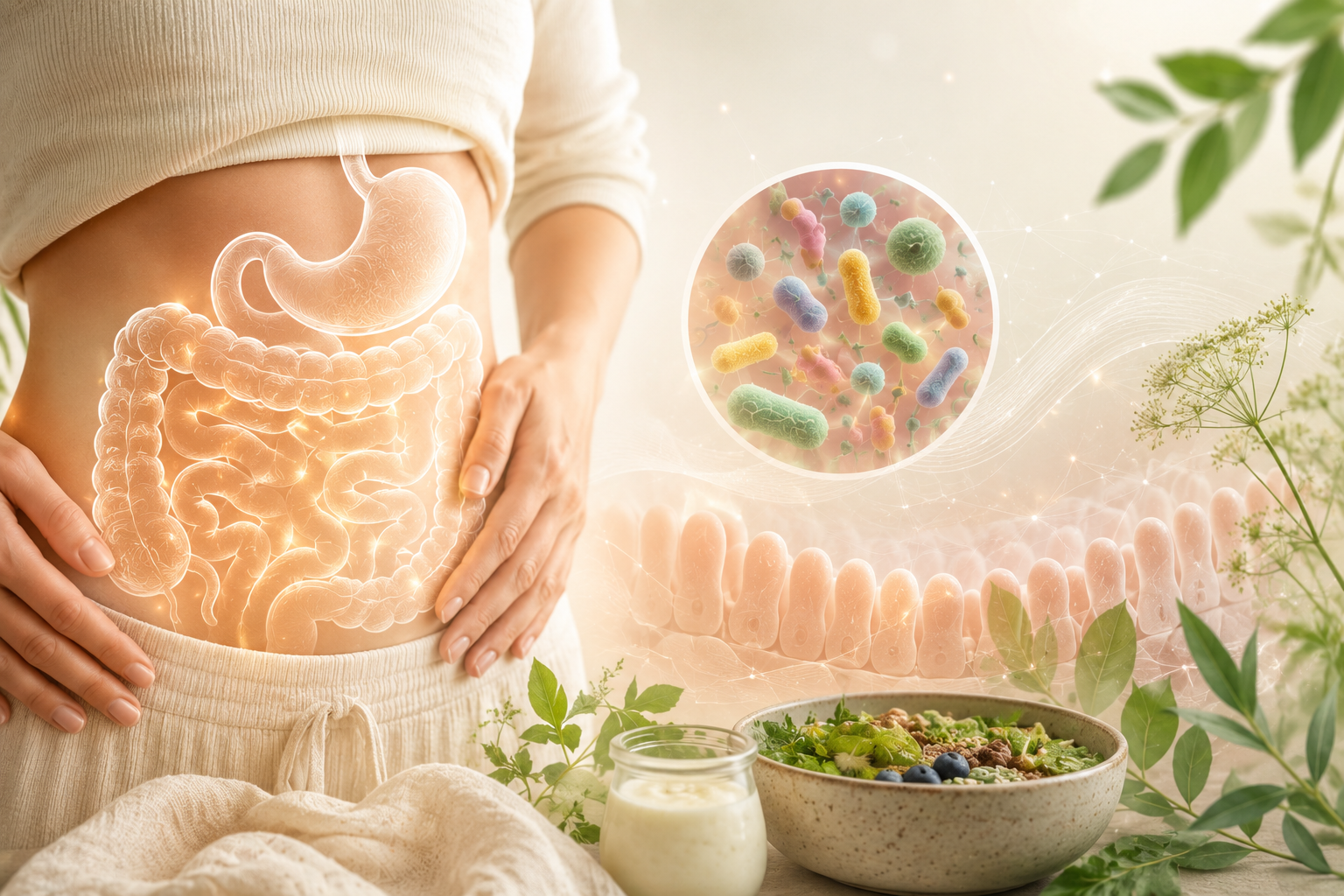
A large proportion of mast cells are located in the gut, which is why gut health, histamine intolerance, and immune reactions are often closely linked.
What function does histamine have in the body?
Because histamine can trigger symptoms, it generally has a rather bad reputation. However, histamine is essentially vital and performs important functions in the body, such as:
- Supporting the immune system
- Regulating stomach acid
- Controlling inflammatory responses
- Signal transmission in the nervous system
- Protection against pathogens
Histamine is therefore not "bad." However, if there is so much histamine in the body that it cannot keep up with breaking it down, histamine accumulates, which places an additional burden on the body and can contribute to mast cells reacting more sensitively to various triggers.
How are mast cells activated?
Mast cells are activated in various ways, with activation by allergens being the best-known method.
The following happens [1]:
 However, mast cells are not only activated by allergens; other triggers can also lead to activation:
Foods
- Tomatoes
- Strawberries
- Chocolate
- Aged cheese
- Fermented foods, such as yogurt
Stimulants
- Alcohol
- Coffee
Medications
- Aspirin
- Ibuprofen
- Certain beta-blockers
- ACE inhibitors
- Penicillins
Stress
- Sleep deprivation
- Poor sleep
- Work-related stress
Infections and environmental irritants
- Allergies
- Pollen
- Cigarette smoke
- Fine particulate matter
Symptoms of histamine intolerance
If histamine accumulates, the following complaints may occur, among others:
- Bloating and digestive problems
- Diarrhea
- Skin redness and itching
- Headaches or migraines
- Heart palpitations
- Breathing difficulties
- Sleep problems
- Exhaustion
- Muscle and joint complaints
However, the symptoms are not the same for every person but can vary individually [2][3].
Why is the gut so important in histamine intolerance?
The gut houses a large part of the immune system, which is also where a large proportion of mast cells are found.
A compromised gut barrier or gut flora that has become imbalanced can cause mast cells to react more sensitively. The result is an increase in the histamine load. Gut health therefore plays a central role in histamine intolerance.
Understanding histamine intolerance instead of avoiding histamine altogether
It is wrong to avoid histamine completely, because the dose makes the poison. Many affected individuals tolerate histamine perfectly well up to a certain point, but once this is exceeded, the typical symptoms occur. Histamine is a vital substance in our body that is responsible for numerous processes [4].
It is much more sensible to:
- Understand individual triggers
- Strengthen the gut
- Reduce stress
- Support the immune system
The body usually does not react "incorrectly" but sends signals to draw attention to the fact that something has become imbalanced.
Conclusion: Understanding mast cells and histamine better
Mast cells are an important component of our immune system and are closely linked to histamine. If they are overactivated, complaints can be triggered that many people know from everyday life.
Histamine intolerance does not only concern food; to understand it, one should also pay attention to the gut, stress factors, and the immune system.
Because health usually begins exactly where we learn to interpret our body's signals correctly.
References
[1] M. Krystel-Whittemore, K. N. Dileepan, and J. G. Wood, “Mast Cell: A Multi-Functional Master Cell”, Front. Immunol., vol. 6, Jan. 2016, doi: 10.3389/fimmu.2015.00620.
[2] “SIGHI Histamine Elimination Diet: Managing Histamine Intolerance | The EDS Clinic”. Accessed: June 8, 2026. [Online]. Available at: https://www.eds.clinic/articles/sighi-histamine-elimination-diet-histamine-intolerance
[3] Ö. Özdemir, G. Kasımoğlu, A. Bak, H. Sütlüoğlu, and S. Savaşan, “Mast cell activation syndrome: An up-to-date review of literature”, World J. Clin. Pediatr., vol. 13, no. 2, p. 92813, June 2024, doi: 10.5409/wjcp.v13.i2.92813.
[4] O. Comas-Basté, S. Sánchez-Pérez, M. T. Veciana-Nogués, M. Latorre-Moratalla, and M. del C. Vidal-Carou, “Histamine Intolerance: The Current State of the Art”, Biomolecules, vol. 10, no. 8, p. 1181, Aug. 2020, doi: 10.3390/biom10081181.